
Your skin is only as good as the collagen holding it together.
After your mid-20s, collagen production drops by about 1% every year. By your 30s, you start seeing it — fine lines, sagging, skin that doesn’t bounce back the way it used to.
Skincare can slow the process. But if you want to actually rebuild collagen that’s already been lost, you need treatments that trigger your body’s own regeneration.
That’s what collagen stimulation treatments do. They don’t add anything artificial. They signal your skin to repair and rebuild itself from the inside out.
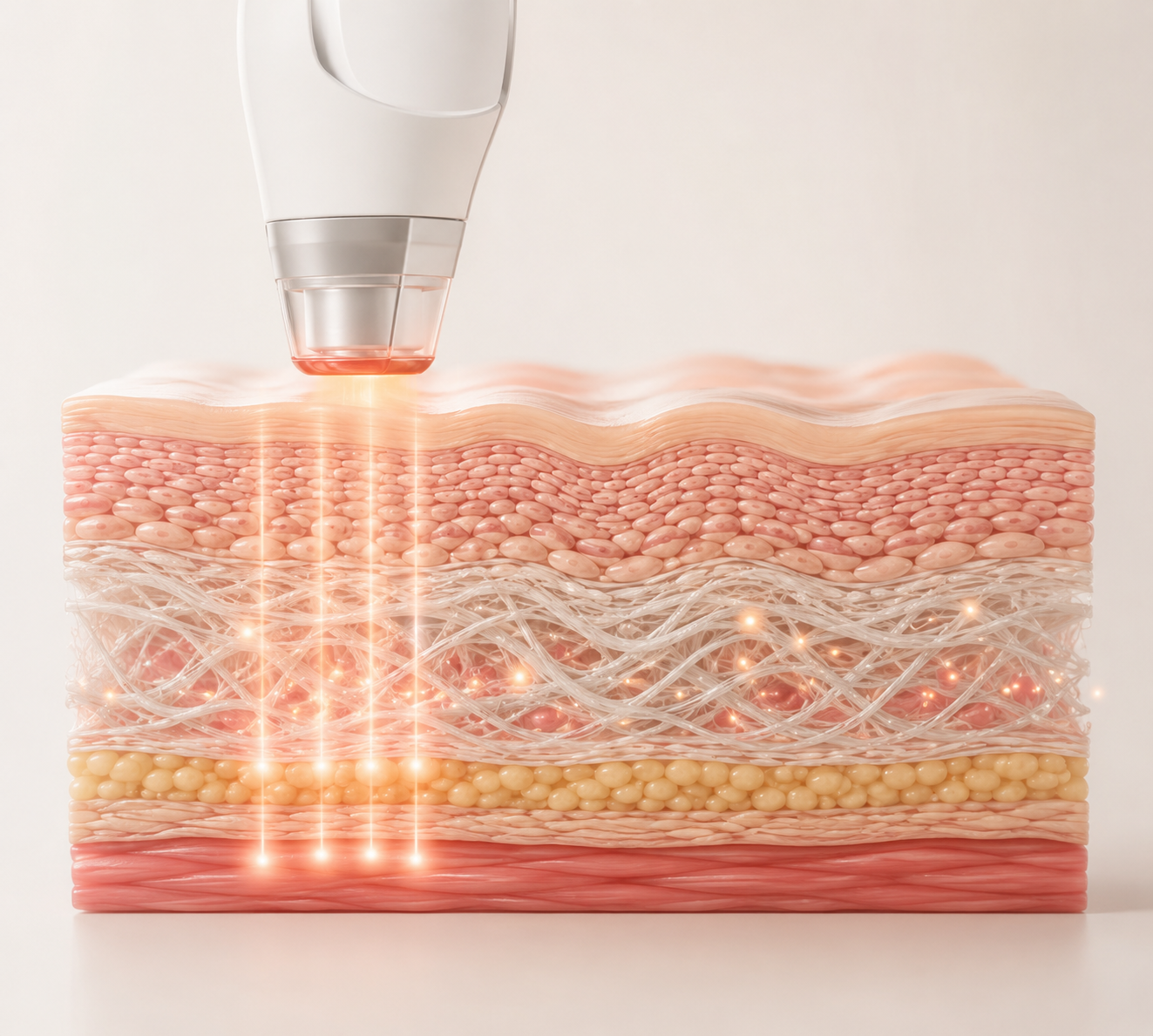
Collagen is the structural protein that keeps your skin firm, smooth, and elastic. Think of it as the scaffolding beneath your skin’s surface.
When it’s strong, your skin looks plump and lifted. When it breaks down, you get wrinkles, sagging, and loss of volume.
In Malaysia’s tropical climate, the skin is exposed to cumulative UV and environmental stress throughout the year, which can accelerate collagen loss, pigmentation, and visible ageing over time — even in those with a diligent skincare routine.
Keeps skin firm and contoured
Helps skin bounce back and stay supple
Reduces lines, laxity & volume loss
In Malaysia’s tropical climate, sun exposure, pollution and lifestyle factors can accelerate collagen loss — but the right treatments can slow, stop, and even reverse it.
Collagen stimulation treatments improve skin firmness and structural support by activating your body’s natural regenerative processes.
Some do this through energy-based technologies such as radiofrequency, laser, or micro-focused ultrasound that deliver controlled energy into targeted tissue layers. Others work through injectable bio-stimulators that trigger collagen production from within.
Over time, your body rebuilds collagen and elastin in response — leading to firmer, smoother, and more resilient skin.
Unlike skincare products that work mainly on the surface, these treatments target deeper structural layers where meaningful collagen remodelling occurs.
Results develop gradually and improve over time, creating natural rejuvenation that lasts.

Downtime No Downtime
Results Several Weeks
Downtime None
Results Progressive Tightening over time
Downtime None
Results gradual lifting and tightening over 2–3 months
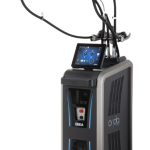
Downtime None
Results progressive and continuous
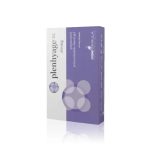
Downtime 3-5 Days
Results Almost instant

Downtime 1–2 days
Results Almost instant
Not sure which treatment suits you? Here’s a quick overview to help.
| Density RF | Fotona 4D | Ultherapy Prime | Onda Pro | Skin Boosters | Collagen Biostimulators | |
|---|---|---|---|---|---|---|
| Best For | Skin laxity, pores, wrinkles | Tone, texture, acne scars | Lifting & deep firming | Fat reduction & body tightening | Hydration & skin quality | Collagen loss & volume |
| Treatment Depth | Deep dermis | Superficial to mid-dermis | Deep (SMAS layer) | Dermis + fat layer | Superficial dermis | Deep dermis |
| Downtime | None | None | Minimal to none | None | 3–5 days | 1–2 days |
| Longevity | 9–12 months | 6–12 months | 12–18 months | 6–12 months | 6–9 months | 12–24 months |
| Sessions | 1–2 | 3–6 | 1 | 4–6 | 2–3 | 1–2 |
This is the stage to preserve collagen before visible ageing becomes more established. Preventive treatments often focus on skin quality and early collagen support — such as Pico Laser and Skin Boosters.
As collagen declines and early structural changes become more noticeable, treatment shifts toward rebuilding and tightening. This is when modalities such as Density RF, Fotona 4D, Ultherapy Prime, Bio-Stimulators, and Onda Pro can make a greater impact.
At this stage, ageing typically affects multiple layers simultaneously — including skin quality, structural support, volume, and tissue laxity. Stronger combination protocols are often used to restore firmness, lift, and facial balance more comprehensively.
The best time to start is before changes become pronounced. Collagen takes time to rebuild, so early intervention allows for more gradual, natural, and preventative ageing management.
Yes — many patients benefit from combining treatments. Our doctors design protocols based on your skin concerns and goals.
Most treatments use topical anesthetic for comfort. Sensations vary by modality — mild warmth, tingling, or pressure are common.
Initial improvements appear within 1–4 weeks; collagen continues to rebuild for 3–6 months after treatment.
Depends on the treatment. Maintenance sessions every 6–12 months are typical for long-term results.
Temporary redness, mild swelling, or warmth are common and resolve quickly. Our doctors discuss all considerations before treatment.
Our doctors will recommend the best treatment plan for your skin concerns and goals.