
Your first aesthetic treatment feels like a big decision.
Not because it’s dangerous — but because you don’t know what to expect. The unfamiliar terms, the options, the fear of looking “overdone.” That uncertainty keeps a lot of people stuck.
Here’s what most first-timers don’t realise: the right starter treatments are gentle, low-risk, and designed to ease you in — not change your face overnight.
This guide walks you through what to expect, which treatments make sense to start with, and how to make sure your first experience is a good one.
A consultation is not a treatment. It’s a conversation.
Your doctor will assess not just your skin condition, but also your facial structure, areas of volume loss, muscle movement, and overall ageing patterns. They will take time to understand your concerns and goals before recommending any treatment. No treatment should happen without this step.
Your skin and overall facial condition are assessed under proper lighting
Your doctor explains what’s actually happening — from skin quality to underlying structural and ageing changes, not just what you see in the mirror
Treatment options are recommended based on your individual needs and ageing patterns, not from a standardised menu
You’re given the time and space to consider your options — without pressure to commit on the spot
It also helps identify concerns you may not have noticed yet — like early sun damage beneath the surface.
Not every treatment is right for your first visit. The best starting points are low-risk, require minimal downtime, and deliver visible but natural results.
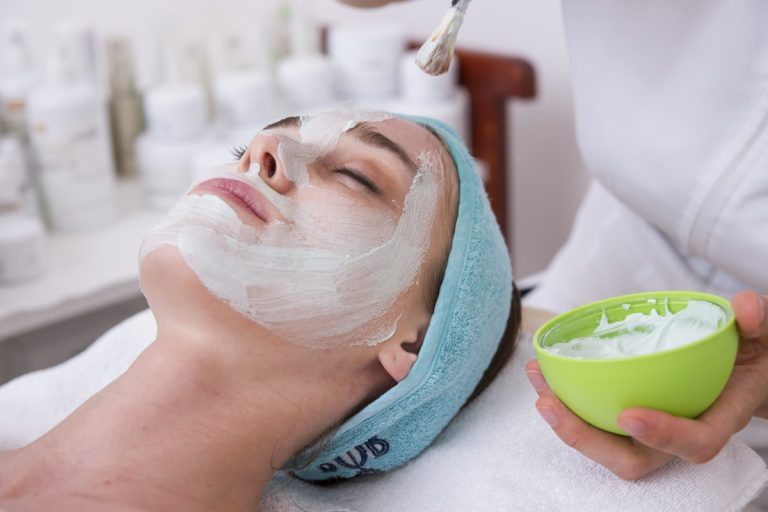
If your skin looks dull, has mild pigmentation, or uneven tone, Pico Laser is one of the most common first treatments.
It’s non-ablative — meaning it works beneath the surface without damaging the outer layer. Sessions are quick, and most people return to their day immediately after.
Why it’s good for beginners: minimal discomfort, no downtime, visible improvement within days.
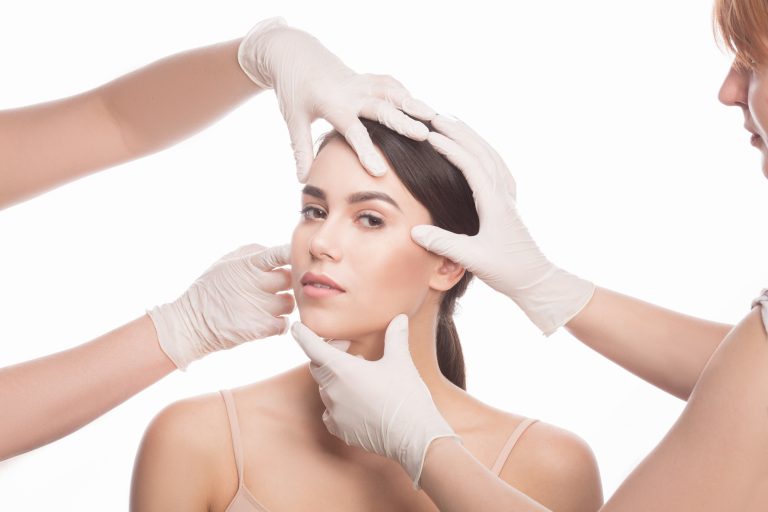
If your skin feels dry, tired, or has lost its bounce, skin boosters restore hydration from within using hyaluronic acid — a substance your body already produces.
This isn’t a filler. It doesn’t change your facial structure. It simply makes your skin healthier, plumper, and more radiant over time.
Why it’s good for beginners: very low risk, natural-looking results, no dramatic change — just better skin.
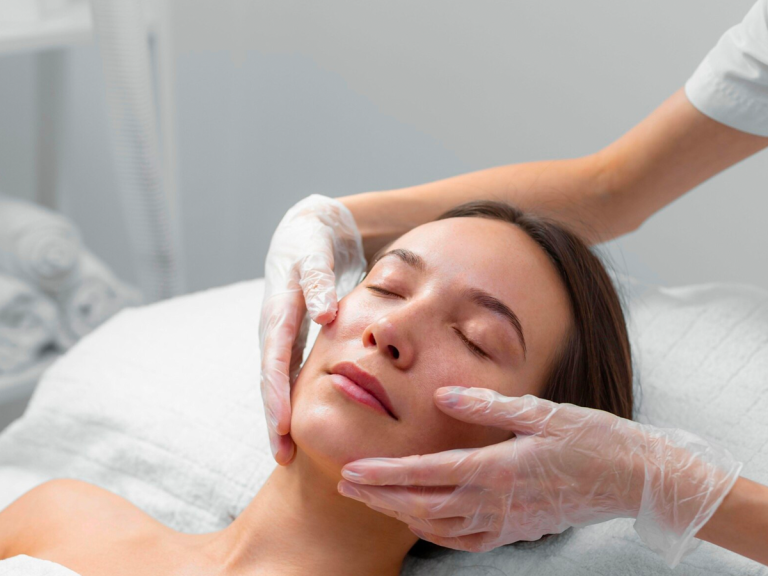
Botox relaxes the muscles that cause expression lines — commonly on the forehead, between the brows, and around the eyes.
When done with the right technique and dosage, the result is subtle and natural. You still move your face — just with softer lines and a more refreshed appearance.
People won’t know you’ve had anything done. They’ll just think you look well-rested.
Results develop gradually and improve over time, creating natural rejuvenation that lasts.
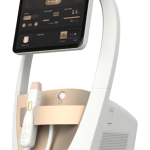
Downtime No Downtime
Results Several Weeks
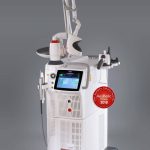
Downtime None
Results Progressive Tightening over time
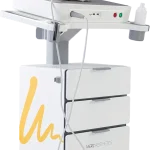
Downtime None
Results gradual lifting and tightening over 2–3 months
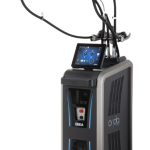
Downtime None
Results progressive and continuous

Downtime 1–2 days
Results Almost instant
Not sure which treatment suits you? Here’s a quick overview to help.
| Density RF | Fotona 4D | Ultherapy Prime | Onda Pro | Skin Boosters | Collagen Biostimulators | |
|---|---|---|---|---|---|---|
| Best For | Skin laxity, pores, wrinkles | Tone, texture, acne scars | Lifting & deep firming | Fat reduction & body tightening | Hydration & skin quality | Collagen loss & volume |
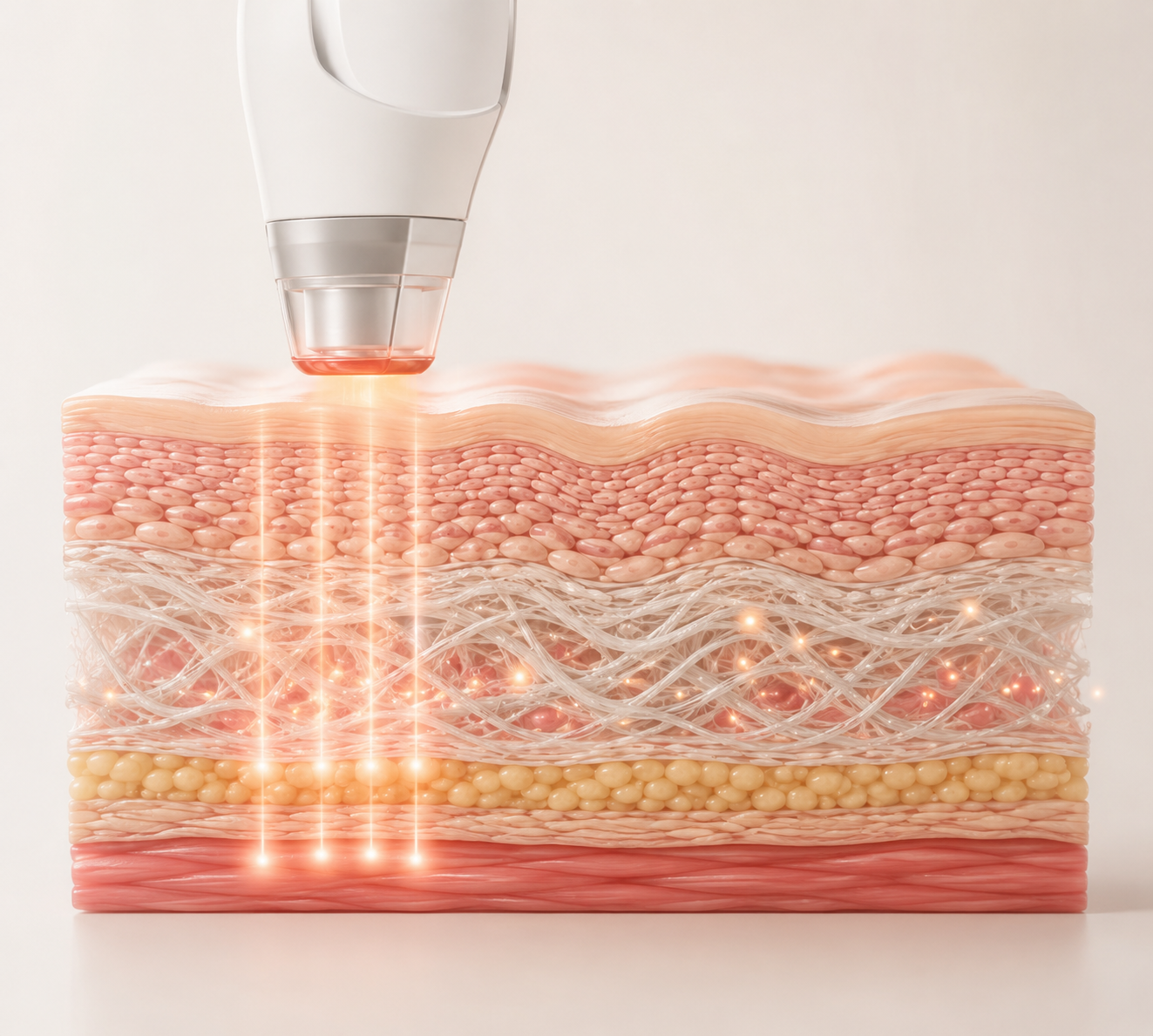
| Treatment Depth | Deep dermis | Superficial to mid-dermis | Deep (SMAS layer) | Dermis + fat layer | Superficial dermis | Deep dermis |
| Downtime | None | None | Minimal to none | None | 3–5 days | 1–2 days |
| Longevity | 9–12 months | 6–12 months | 12–18 months | 6–12 months | 6–9 months | 12–24 months |
| Sessions | 1–2 | 3–6 | 1 | 4–6 | 2–3 | 1–2 |
This is the stage to preserve collagen before visible ageing becomes more established. Preventive treatments often focus on skin quality and early collagen support — such as Pico Laser and Skin Boosters.
As collagen declines and early structural changes become more noticeable, treatment shifts toward rebuilding and tightening. This is when modalities such as Density RF, Fotona 4D, Ultherapy Prime, Bio-Stimulators, and Onda Pro can make a greater impact.
At this stage, ageing typically affects multiple layers simultaneously — including skin quality, structural support, volume, and tissue laxity. Stronger combination protocols are often used to restore firmness, lift, and facial balance more comprehensively.
The best time to start is before changes become pronounced. Collagen takes time to rebuild, so early intervention allows for more gradual, natural, and preventative ageing management.
Yes — many patients benefit from combining treatments. Our doctors design protocols based on your skin concerns and goals.
This is the number one question first-timers ask.
Short answer: most treatments involve minimal discomfort.
Pico Laser feels like light snapping against the skin. Skin boosters and Botox involve very fine needles — numbing cream is typically applied to ensure comfort.
RF skin tightening treatments (such as Density) are generally well-tolerated, often described as a warm, comfortable sensation.
Initial improvements appear within 1–4 weeks; collagen continues to rebuild for 3–6 months after treatment.
Depends on the treatment. Maintenance sessions every 6–12 months are typical for long-term results.
Temporary redness, mild swelling, or warmth are common and resolve quickly. Our doctors discuss all considerations before treatment.
Our doctors will recommend the best treatment plan for your skin concerns and goals.