
Collagen makes up about 75% of your skin’s dry weight. It forms the structural scaffolding that keeps your skin looking firm and youthful. As collagen production slows with age, several changes begin to appear:
These changes are a natural part of aging, but they can be accelerated by factors like UV exposure, stress, poor sleep, and smoking — all of which are common concerns in Malaysia’s tropical climate.
While everyone’s skin ages differently, here are some common indicators that your skin’s collagen levels could use a boost:
Results develop gradually and improve over time, creating natural rejuvenation that lasts.
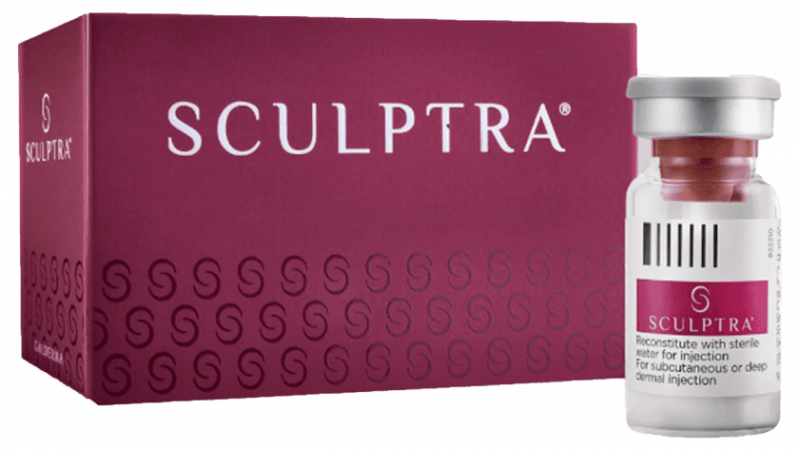
Several biostimulator products are used in aesthetic medicine today, each with slightly different formulations:
Such as Sculptra, which stimulates collagen gradually over multiple sessions
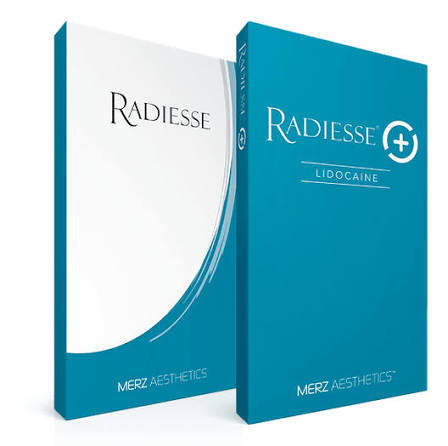
Such as Radiesse, which provides some immediate volume alongside long-term collagen stimulation
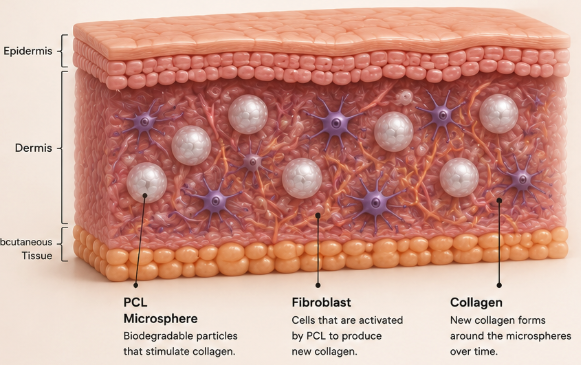
A collagen biostimulator that combines biodegradable microspheres with a gel carrier to stimulate collagen production over time.
Your doctor will recommend the most suitable option based on your skin condition, treatment goals, and areas of concern.
Biostimulators aren’t the only way to support collagen — but they are one of the most direct and effective methods
| Treatment | How It Supports Collagen | Depth of Effect |
|---|---|---|
| Biostimulators | Directly stimulate fibroblasts deep within the dermis to produce new collagen over time, improving skin structure and firmness. | Deep dermal and subdermal layers where collagen remodeling occurs. |
| Skin Boosters | Hydrate the skin and improve overall skin quality by attracting moisture and enhancing superficial collagen activity. | Superficial to mid-dermis, focusing on hydration and skin texture. |
| Density RF | Sequential dual-mode (Mono + Bipolar) radiofrequency creates immediate collagen contraction while stimulating long-term collagen synthesis and improving fibre density. | Multi-depth treatment. Targets the superficial dermis (Bipolar) through to the deep dermis and subcutaneous fascia (Monopolar). |
| Ultherapy Prime | Micro-focused ultrasound (MFU-V) delivers precise thermal coagulation zones that trigger immediate tissue contraction and long-term collagen regeneration. | Deep structural targeting. Reaches precise depths of 1.5 mm, 3.0 mm and 4.5 mm (SMAS layer). |
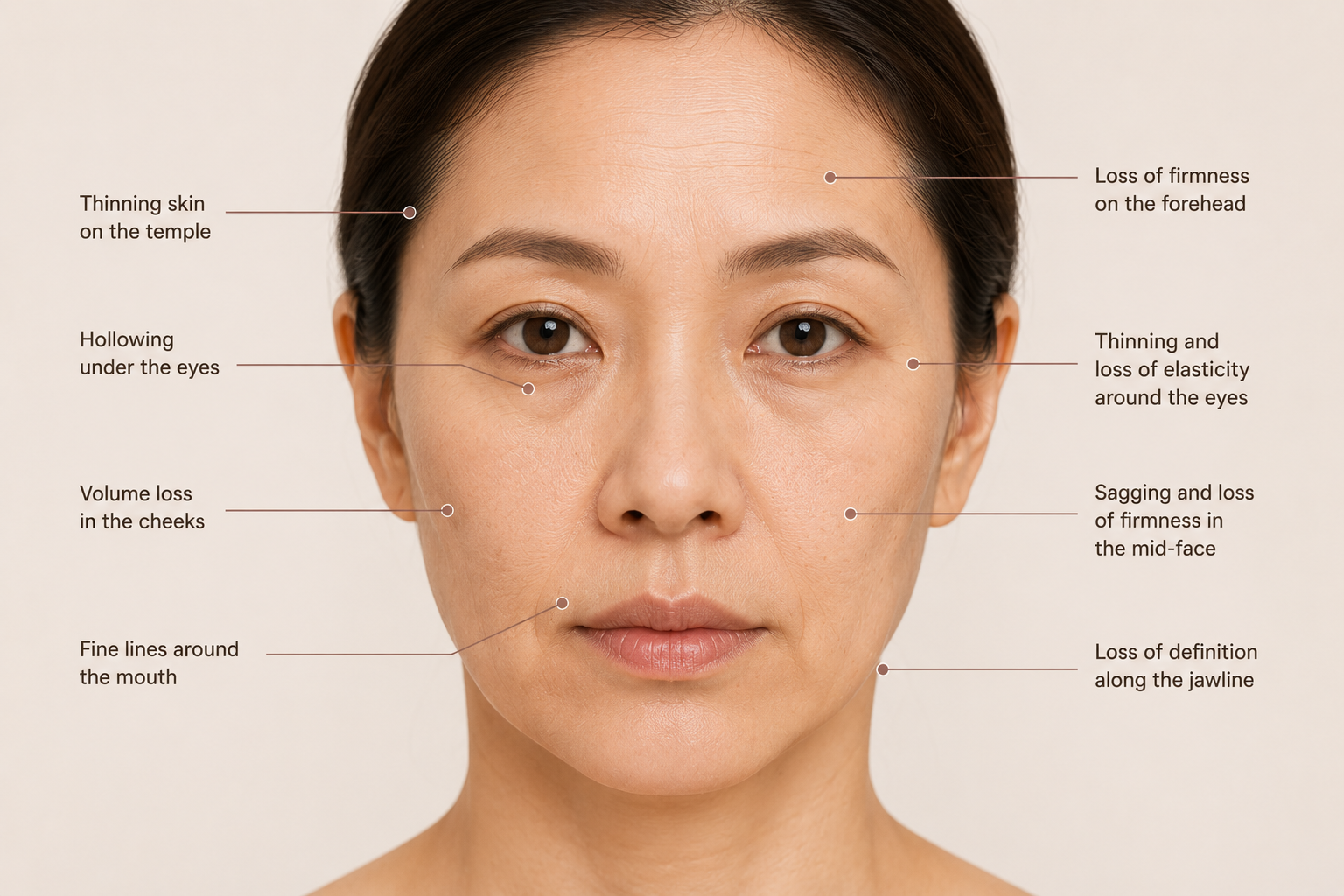
Biostimulators are suitable for a wide range of patients, but they’re particularly beneficial for those who are experiencing:
They tend to work well for individuals in their 30s to 60s, though the approach may vary depending on your starting point. A consultation with a qualified aesthetic physician is the best way to determine if biostimulators are right for you.
Biostimulator treatments are typically quick, taking around 30 to 45 minutes. A topical numbing cream is usually applied beforehand to ensure comfort.
After treatment, you may experience mild swelling, redness, or tenderness at the injection sites — this is normal and usually resolves within a few days. Your doctor may recommend gentle massage of the treated areas to ensure even distribution of the product.
Because results develop gradually, patience is key. Most treatment plans involve 2 to 3 sessions spaced a few weeks apart, with the full effect becoming visible over the following months.
There’s no single “right” age — it depends on your skin condition, lifestyle, and goals. However, here’s a general guide:
Early biostimulator treatments can help maintain your collagen levels before significant loss occurs.
Biostimulators can be especially effective at this stage because your body still has good capacity to respond to collagen stimulation.
Biostimulators can still deliver meaningful improvements, often combined with other treatments for a more comprehensive approach.
The best time to start is before changes become pronounced. Collagen takes time to rebuild, so early intervention allows for more gradual, natural, and preventative ageing management.
Yes — many patients benefit from combining treatments. Our doctors design protocols based on your skin concerns and goals.
Most treatments use topical anesthetic for comfort. Sensations vary by modality — mild warmth, tingling, or pressure are common.
Initial improvements appear within 1–4 weeks; collagen continues to rebuild for 3–6 months after treatment.
Depends on the treatment. Maintenance sessions every 6–12 months are typical for long-term results.
Temporary redness, mild swelling, or warmth are common and resolve quickly. Our doctors discuss all considerations before treatment.
Biostimulators are versatile, but they’re not suitable for everyone. Your doctor may recommend alternative treatments if you:
A thorough consultation with a qualified aesthetic physician is essential.